









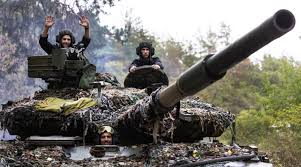
February 24, 2025, marked the third year of Russia’s invasion, which has reshaped Europe and triggered one of the largest refugee crises in modern history. In the early hours of February 24, 2022, Russian forces launched coordinated attacks across Ukraine, striking military targets as well as civilian infrastructure in cities like Kyiv, Kharkiv, and Odesa. What was initially expected by some analysts to be a short military operation quickly turned into a prolonged war, with thousands of lives lost and millions displaced.
The military situation remains volatile more than three years after hostilities began. According to recent estimates, Russia has suffered large losses, with reports estimating up to 1.2 million Russian casualties since the invasion began, including dead and wounded service members. Ukraine’s military casualty figures are more difficult to confirm, but estimates suggest around 400,000 Ukrainian soldiers killed or injured during the conflict. The use of advanced weaponry, including drones are responsible for a large percentage of losses, has shaped the nature of the war and contributed to the high number of casualties on both sides.
Beyond the battlefield, the toll on civilians has been staggering. In 2025 alone, a United Nations monitoring mission reported 2,514 civilian deaths and over 12,000 injuries, marking a sharp increase in harm to noncombatants compared to previous years. Most of these casualties occurred in areas under Ukrainian government control due to intensified missile and drone strikes.
The invasion also triggered one of the largest displacement crises since World War II. According to the United Nations High Commissioner for Refugees, as of February 2025, about 6.9 million Ukrainians have fled the country, seeking refuge in nations across Europe and beyond. Inside Ukraine, another 3.7 million people are internally displaced, forced to move within the country to escape active combat and destruction of homes. In total, about 10.6 million Ukrainians, almost a quarter of the nation’s pre-war population, have been removed from their communities.
The destruction of civilian infrastructure has compounded the humanitarian crisis. Repeated attacks on Ukraine’s energy grid have left families without heat during harsh winters, and damage to over 2 million homes, roughly 10% of housing stock, has been recorded, forcing many to live in temporary shelters or abandon their homes entirely.
The conflict’s impact extends farther than just Ukraine’s borders. The World Bank and international partners estimate that Ukraine’s economy has shrunk significantly, with GDP shrinking by more than 20% since 2022. By contrast, Russia has managed modest growth but at a severe cost of human life. The war has also disrupted global food supplies. Ukraine was one of the world’s largest producers of grain, and driven up energy prices as Europe sought alternatives to Russian oil and gas.
International support for Ukraine has been substantial. NATO countries and allies, including the United States and European Union members, have provided billions in military and economic aid, with new initiatives announced in 2025 to deliver tens of billions of euros in support for both defense and civilian needs. This assistance aims to sustain Ukraine’s capacity to resist aggression and to help maintain essential government functions and humanitarian services.
As the conflict enters its fourth year, there’s uncertainty about how and when it will end. Peace negotiations have stalled, and both sides are preparing for continued fighting. For millions of Ukrainians, the war isn’t an abstract geopolitical event it is the reality of daily struggle, loss, exile, and the ongoing search for safety. The human toll continues to climb with each passing day, underscoring the true cost of this devastating conflict.
Categories:
The Cost of Russia’s Invasion of Ukraine
Story continues below advertisement
Donate to GHS Stampede
Your donation will support the student journalists of Graham High School. Your contribution will allow us to purchase equipment and cover our annual website hosting costs.
More to Discover






About the Contributor

Derek Divinia is a senior at Graham High School and a member of both the National Honor Society and the Team America Rocketry Challenge (TARC). TARC gives him a chance to build rockets, solve problems, and maybe even make something explode (like our rocket last year). Being part of the team has taught him to stay focused, manage his time, and finish projects on time—most of the time. In class, Derek is careful and committed, quietly making sure his work is done right. He’s not the loudest student in the room, but he gets things done. Outside of school, Derek spends his time hunting, rock climbing, hiking, and shooting, always looking for a new adventure. He’s also a big music fan, listening to his AirPods constantly, with Deftones and Led Zeppelin being top picks, and Beauty School is one of his favorite songs. He enjoys traveling too, taking any chance to see new places. Derek balances school, hobbies, and music while staying focused and having fun along the way.